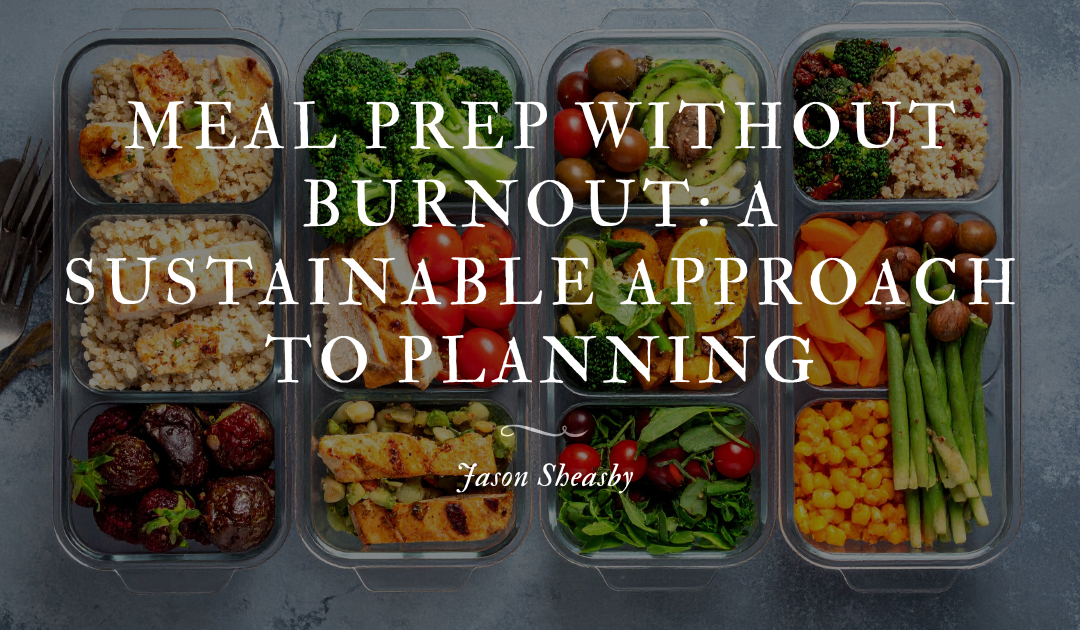
Meal prep has a reputation problem.
On one side, it’s praised as the ultimate productivity hack — neatly stacked containers, perfectly portioned meals, and a week of stress-free eating. On the other side, it often leads to overwhelm, wasted food, and Sunday afternoons spent cooking for hours only to feel bored by Wednesday.
If you’ve ever fallen off the meal prep wagon, you’re not lazy. You were likely trying to do too much.
Sustainable meal prep isn’t about cooking everything in advance. It’s about building a flexible system that supports your real life — not a picture-perfect version of it.
Here’s how to prep without burning out.
1. Stop Prepping Full Meals — Prep Components Instead
The fastest way to burn out is by preparing five identical lunches and dinners for the week. It sounds efficient, but it removes variety and flexibility.
Instead of full meals, prep components:
-
One or two proteins (grilled chicken, baked tofu, ground turkey)
-
A grain or starch (rice, quinoa, roasted potatoes)
-
A batch of roasted or chopped vegetables
-
One versatile sauce or dressing
These mix-and-match elements give you options. Monday’s bowl can become Tuesday’s wrap. Wednesday’s stir-fry can become Thursday’s salad topping.
You’re not locking yourself into a single plan — you’re building a meal toolkit.
2. Prep for Your Busiest Days, Not the Entire Week
You don’t need seven days covered. Ask yourself:
When do I feel the most rushed?
For many people, it’s Monday through Wednesday. Focus your prep there. If you cook two dinners and prep one lunch base, that’s already a huge win.
By Thursday or Friday, energy often shifts. You might feel more spontaneous or have leftovers available. Planning lighter at the end of the week reduces pressure.
Sustainable systems work with your energy, not against it.
3. Shrink Your Prep Time Window
Meal prep doesn’t have to mean a three-hour kitchen marathon.
Try setting a 60–90 minute limit. Within that time, choose only 3–4 tasks. For example:
-
Roast a sheet pan of vegetables
-
Cook a pot of rice
-
Prepare one protein
-
Make a quick dressing
When you stop before exhaustion hits, you’re far more likely to do it again next week. Burnout usually comes from overcommitting.
Consistency beats intensity every time.
4. Build Around Familiar Favorites
Variety is great, but too much novelty creates decision fatigue. Instead of trying five brand-new recipes each week, rely on dependable favorites and tweak them slightly.
If you love rice bowls:
-
Change the sauce.
-
Switch the protein.
-
Swap roasted vegetables for fresh ones.
If you enjoy pasta:
-
Alternate between tomato-based, creamy, or olive oil sauces.
-
Add different vegetables or proteins.
Small changes keep things interesting without increasing effort.
5. Plan for “Low-Energy” Backup Meals
Even the best prep plans don’t account for exhaustion, bad days, or surprise schedule changes.
Keep two or three emergency options available:
-
Frozen dumplings or veggie burgers
-
Canned soup with added greens
-
Eggs for omelets or breakfast-for-dinner
-
Pasta with jarred sauce and frozen vegetables
Knowing you have backup meals reduces anxiety. You won’t feel like the week is ruined if plans shift.
Flexibility is what makes a system sustainable.
6. Avoid the All-or-Nothing Mindset
Many people quit meal prep because they think, “If I can’t prep everything, why bother?”
But partial prep still counts.
Washing and chopping vegetables is prep.
Marinating chicken is prep.
Cooking extra rice during dinner is prep.
Small actions compound. You don’t need a full fridge of containers to benefit.
When you let go of perfection, momentum becomes easier to maintain.
7. Keep a Running “Next Week” List
Instead of scrambling on grocery day, keep a small list in your phone titled “Next Week.”
Whenever you:
-
Enjoy a meal
-
Notice you’re low on a staple
-
Get inspired by a flavor or dish
Add it to the list.
When it’s time to plan, you already have ideas waiting. This reduces last-minute stress and impulsive grocery shopping.
Planning becomes a continuous, low-pressure process instead of a weekly crisis.
8. Rotate, Don’t Reinvent
You don’t need a brand-new system every month. Create a short rotation of reliable prep templates, such as:
-
Bowl Week (grain + protein + veg + sauce)
-
Soup & Sandwich Week
-
Taco or Wrap Week
-
Sheet Pan Dinner Week
Cycle through them. Adjust based on seasons or cravings.
Rotation eliminates decision fatigue while still feeling fresh.
9. Make It Pleasant, Not Punishing
Your environment matters. Play music. Listen to a podcast. Light a candle. Prep earlier in the day if evenings drain you.
If meal prep feels like a chore you dread, you’ll avoid it. If it feels like a calm reset for the week, it becomes sustainable.
Sometimes burnout isn’t about the tasks — it’s about the mood surrounding them.
10. Redefine What “Successful” Prep Looks Like
Meal prep success isn’t:
-
A fridge full of identical containers
-
A perfectly clean kitchen
-
A week with zero changes
It’s:
-
Fewer last-minute takeout decisions
-
Less daily stress about what to cook
-
Food that supports your schedule
Even a 20% reduction in chaos is meaningful.
The Sustainable Shift
The real goal of meal prep isn’t control — it’s support.
When you:
-
Prep components instead of full meals
-
Focus on your busiest days
-
Limit prep time
-
Keep backup options
-
Let go of all-or-nothing thinking
You create a system that bends with your life instead of breaking under it.
Meal prep should make your week easier — not heavier.
And when it’s done sustainably, it does exactly that.