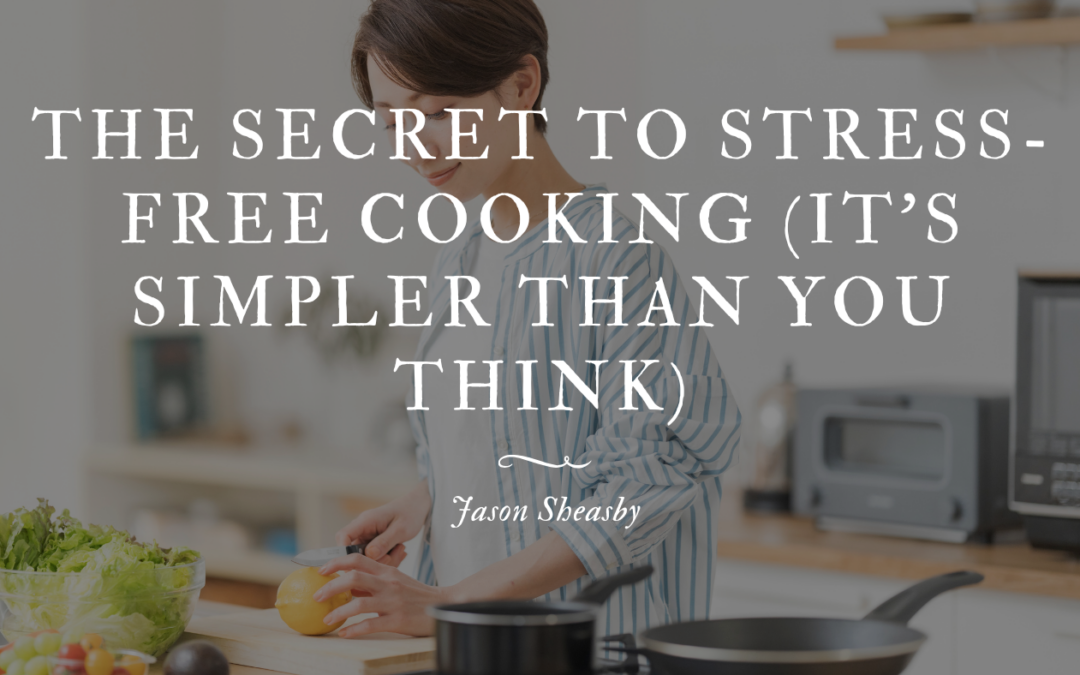
Cooking has a funny way of feeling harder than it really is. After a long day, deciding what to make, checking if you have the ingredients, and juggling multiple steps can turn what should be nourishing into something overwhelming. But here’s the truth: stress-free cooking isn’t about mastering complicated recipes or spending hours in the kitchen. It’s about simplifying your approach.
If you’ve ever thought, “Why does this feel so hard?” — the solution might be easier than you think.
1. Decide Once, Not Every Day
One of the biggest sources of kitchen stress is decision fatigue. Figuring out what to cook every single day drains mental energy. Instead of reinventing the wheel nightly, create a simple meal rotation.
Choose 8–10 reliable dinners your household enjoys. Rotate them. That’s it.
When you already know that Mondays are for tacos, Wednesdays are for stir-fry, and Fridays are for homemade pizza, you eliminate the daily “what’s for dinner?” panic. You can still experiment occasionally, but having a core lineup creates stability and calm.
Stress-free cooking starts before you ever turn on the stove.
2. Embrace the “Formula” Approach
You don’t need a new recipe every time you cook. Instead, rely on meal formulas:
-
Protein + Vegetable + Carb
-
Grain Bowl + Sauce
-
Soup + Bread
-
Pasta + Veg + Protein
-
Taco filling + Toppings
When you think in formulas instead of strict recipes, you gain flexibility. Have chicken instead of beef? Swap it. Missing broccoli? Use green beans. The structure stays the same — the ingredients can shift.
This approach reduces pressure and builds confidence because you’re not starting from scratch every time. You’re assembling, not inventing.
3. Keep a Short List of “Flavor Boosters”
Bland food creates frustration. When meals taste flat, cooking feels unrewarding. The secret? Keep a handful of flavor builders on hand:
-
Fresh garlic
-
Citrus (lemons or limes)
-
Soy sauce
-
Vinegar
-
Parmesan cheese
-
Fresh herbs or dried spice blends
-
Chili flakes or hot sauce
With just a few of these, you can brighten, deepen, or balance almost any dish. A squeeze of lemon can wake up soup. A splash of vinegar can transform roasted vegetables. A sprinkle of salt at the end can make everything pop.
Great flavor doesn’t require complexity — just intention.
4. Prep for Your Future Self
You don’t need a full Sunday meal-prep marathon. Small prep tasks go a long way:
-
Wash and chop vegetables when you get home from the store.
-
Cook a batch of rice to use throughout the week.
-
Brown extra protein to repurpose later.
-
Make one versatile sauce (like a vinaigrette or yogurt sauce).
Think of it as setting up tiny gifts for your future self. Even 15 minutes of prep can cut weeknight stress in half.
Cooking feels lighter when the hardest parts are already done.
5. Lower the Bar (Really)
Not every meal needs to be a masterpiece. Social media has raised the bar unrealistically high. Perfect plating and elaborate recipes are optional — not required.
A simple scrambled egg dinner with toast and salad is still a real dinner. A rotisserie chicken with microwaved potatoes and steamed green beans counts. Pasta with jarred sauce and added sautéed vegetables is more than enough.
Stress-free cooking often means releasing perfectionism.
6. Clean as You Go
A messy kitchen adds invisible pressure. While something simmers or roasts, wash a cutting board or load a few dishes into the dishwasher. Wipe the counter. Put away unused ingredients.
You don’t need to deep clean mid-recipe — just maintain order.
When dinner is finished and the kitchen isn’t a disaster zone, your brain feels calmer. That mental relief makes the whole experience feel lighter.
7. Master 5 Core Skills
Confidence reduces stress. And confidence comes from mastering a few foundational skills rather than memorizing dozens of recipes. Focus on:
-
Sautéing vegetables
-
Roasting in the oven
-
Cooking rice or grains
-
Making a simple sauce
-
Seasoning properly with salt
Once you can roast vegetables until caramelized and cook protein without drying it out, you can build endless meals. Skills give you freedom. Recipes give you instructions. Freedom feels less stressful.
8. Accept That Imperfection Is Part of Cooking
Even experienced cooks burn things. Sauces break. Rice overcooks. It’s normal.
Instead of seeing mistakes as failures, treat them as information. Too salty? Add acid or serve with plain rice. Too bland? Add salt, citrus, or spice. Overcooked vegetables? Blend them into soup.
Stress shrinks when mistakes stop feeling catastrophic.
9. Simplify Your Kitchen Setup
You don’t need every gadget. In fact, too many tools create clutter and decision overload.
You can cook nearly everything with:
-
One good knife
-
A cutting board
-
A large skillet
-
A pot
-
A sheet pan
When your tools are simple and reliable, your process becomes smoother. Less rummaging. Less chaos. More flow.
10. Redefine What Success Looks Like
Stress-free cooking isn’t about gourmet results. It’s about nourishment without overwhelm.
Success might look like:
-
Everyone ate.
-
The meal tasted good.
-
You didn’t feel frazzled.
-
The kitchen is manageable afterward.
That’s enough.
The Real Secret
The secret to stress-free cooking isn’t better recipes. It’s better systems and gentler expectations.
When you:
-
Reduce decisions
-
Use simple formulas
-
Keep key flavors on hand
-
Prep a little in advance
-
Let go of perfection
Cooking becomes less about pressure and more about rhythm.
And once you find that rhythm, something shifts. The kitchen becomes a place of creativity instead of chaos. Dinner becomes manageable instead of daunting.
It really is simpler than you think.