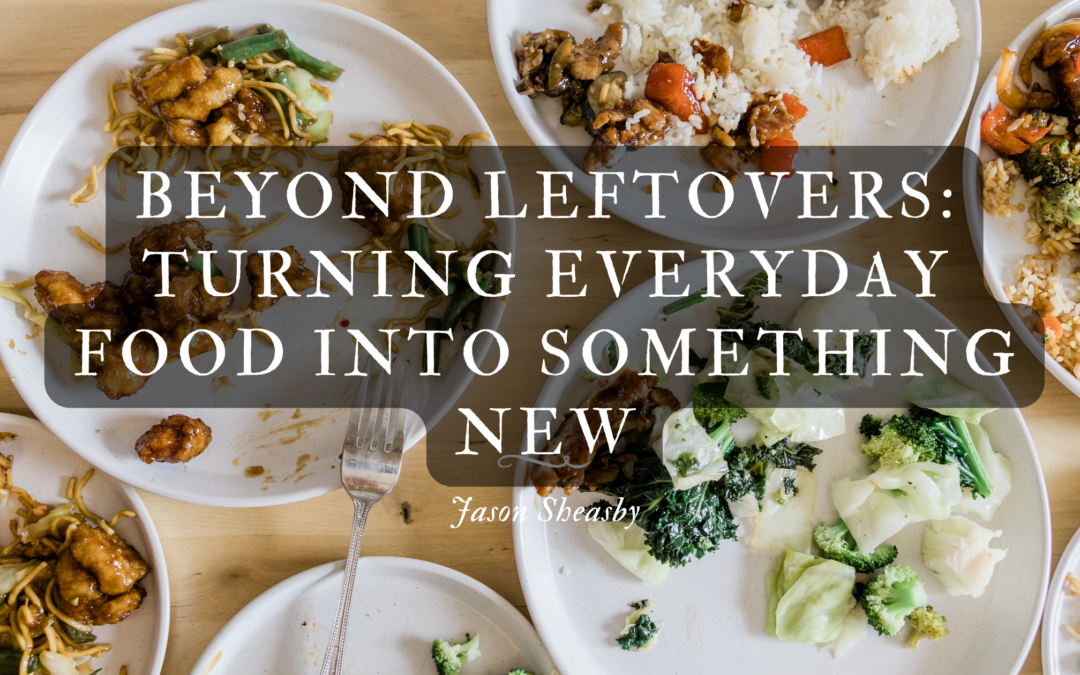
A few vegetables left in the refrigerator, some cooked rice from the previous evening, or half a loaf of bread nearing its best-before date can easily become forgotten kitchen clutter. Yet these ingredients often hold the beginnings of another satisfying meal. With a little planning and creativity, leftovers can become an opportunity to explore new combinations, reduce food waste, and make everyday cooking more resourceful.
Cooking creatively does not always mean starting from scratch. Sometimes, it means looking at what is already available with a fresh perspective.
See Ingredients as Possibilities
One of the simplest ways to become more resourceful in the kitchen is to stop thinking of ingredients in terms of only one recipe. Vegetables intended for a side dish can become the base of a soup, filling for a sandwich, or addition to a grain bowl. Leftover roasted potatoes can be turned into a breakfast hash, while cooked lentils can be incorporated into patties or added to a fresh salad.
The goal is not to combine every leftover in one dish. Instead, look for ingredients that share complementary flavors or textures and build a meal around them.
A little imagination can make familiar food feel new without requiring an entirely new grocery list.
Let Your Pantry Guide the Menu
A well-organized pantry can make spontaneous cooking much easier. Staples such as rice, pasta, lentils, canned beans, tomatoes, and basic seasonings offer a foundation for countless meals.
When fresh ingredients are running low, these staples can help bring everything together. A handful of vegetables can become a quick stir-fry with rice, while canned beans and tomatoes can form the basis of a hearty stew.
Keeping a simple record of what needs to be used first can also help prevent ingredients from being forgotten. Planning a meal around the items already available encourages more thoughtful shopping and fewer unnecessary purchases.
Give Familiar Dishes a New Direction
Creativity often comes from making small changes rather than reinventing an entire recipe. A familiar vegetable soup can take on a different character with herbs, spices, or a squeeze of lemon. Leftover rice can become a fried rice dish with vegetables and protein. Stale bread, when still safe to use, can be transformed into croutons or breadcrumbs.
These adjustments allow cooks to explore different flavors while keeping preparation manageable.
It is also important to handle leftovers safely. Refrigerate perishable food promptly, store it in suitable containers, and reheat it thoroughly. When in doubt about how long food has been stored or whether it remains safe to eat, discard it.
Make Resourcefulness a Kitchen Habit
Cooking with what you have encourages awareness of ingredients, planning, and flexibility. It can also help households save money while making better use of the food they purchase.
Start small by checking the refrigerator before planning meals, freezing suitable ingredients for later, and keeping versatile staples on hand. Over time, these simple habits can make cooking feel less wasteful and more enjoyable.
The kitchen does not always need something new to produce something delicious. Sometimes, the most satisfying meals begin with ingredients we already own. A little curiosity, thoughtful preparation, and a willingness to experiment can turn everyday leftovers into dishes worth looking forward to.